


Every story has a beginning, and we want to tell you how corporate uniforms got their start. If you are part of the apparel manufacturing world, this article will help you understand more about their history and why uniforms are so important in companies.
When were administrative uniforms first used?
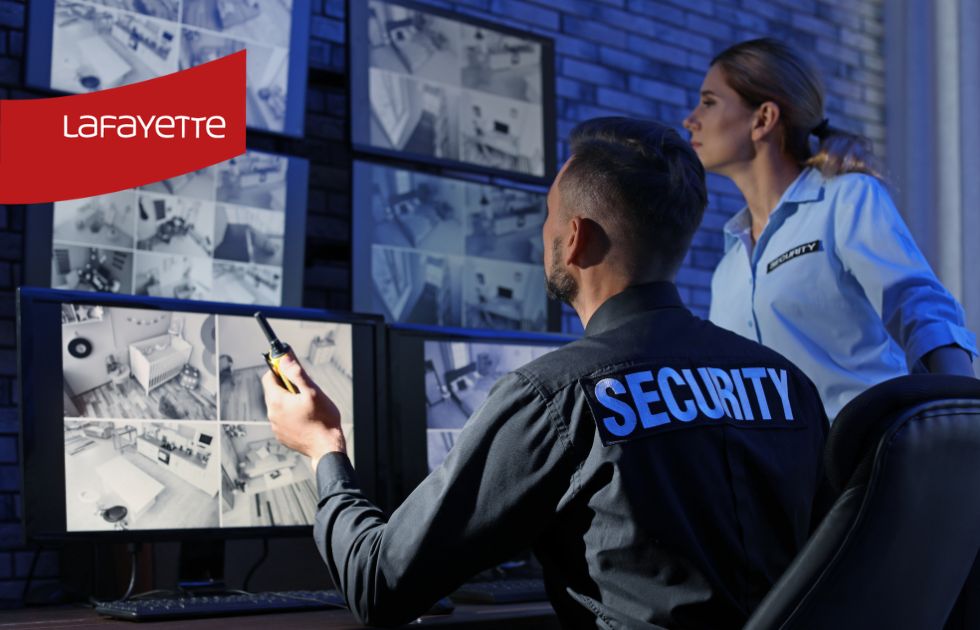
Uniforms are a form of nonverbal communication that says something about those who wear them. That’s why some organizations have a dress code. They want to project a warm image to their customers, partners and suppliers, to make a good impression.
But how did it all start? Why have more and more companies decided to dress their employees in uniforms? We will tell you the story:
History tells us that the first uniforms were created for armies to quickly identify their enemies during battles. Over time, the practice was extended to the members of government agencies, religious groups, and police corps. Even prisoners were given uniforms. The goal was to identify an individual as a member of a group, regardless of the nature of that group.
It was not until around 1759, during the Industrial Revolution, that uniforms and work clothes began to be used. During this time, industry developed in many sectors and factories were born. This meant that more functional clothing was needed.
The evolution of the uniform
With time, organizations were created to protect workers (one of the best known being the International Labour Organization (ILO), founded in 1919). They worked to regulate and enforce the use of uniforms to help keep workers safe and comfortable on the job.
These new regulations called for better care of employees, and the benefits were clear in a number of ways, particularly in areas such as health and safety.
In the current era
With the incredible technological advances in textiles in our era, uniforms have now begun to be designed not only to protect workers, but also to provide the functionality, quality, and comfort necessary for them to do their jobs well.
And so, corporate uniforms have made their appearance. Thanks to the dynamic world of business and, of course, globalization, they have begun to play a much more important role than just providing the functionality and comfort their users need to feel good during long work days.
Nowadays, we only get one chance to make a good impression, which is why companies increasingly need to develop strategies for building a variety of relationships with partners, customers, and suppliers. Corporate uniforms are one way to meet this challenge.
The importance of corporate uniforms
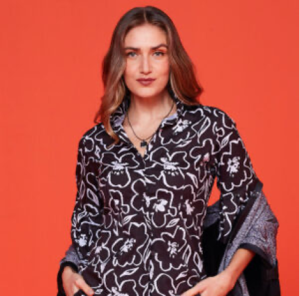
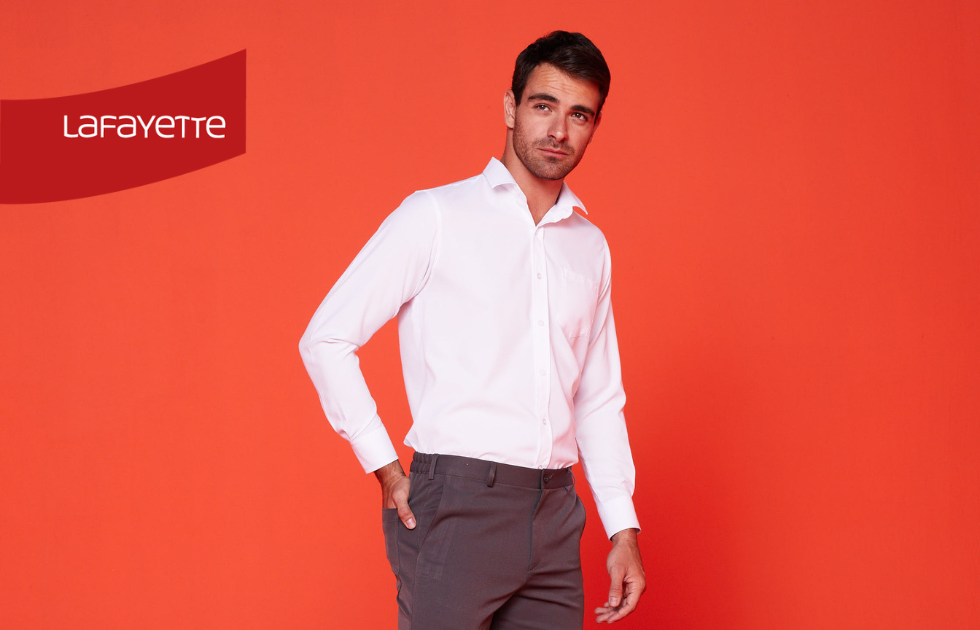
Corporate uniforms are all about perception. The image projected must convey confidence, professionalism, elegance, and exclusivity.
In addition
Uniforms help reinforce the brand image. This means that uniforms have an impact on the reputation of organizations, making them a corporate identity tool companies need to achieve their goals.
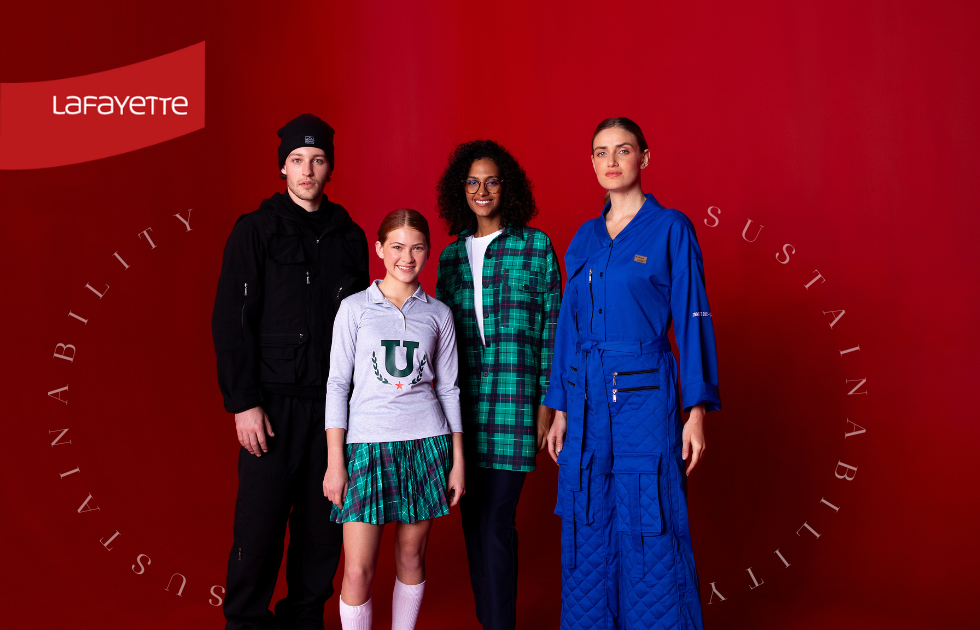
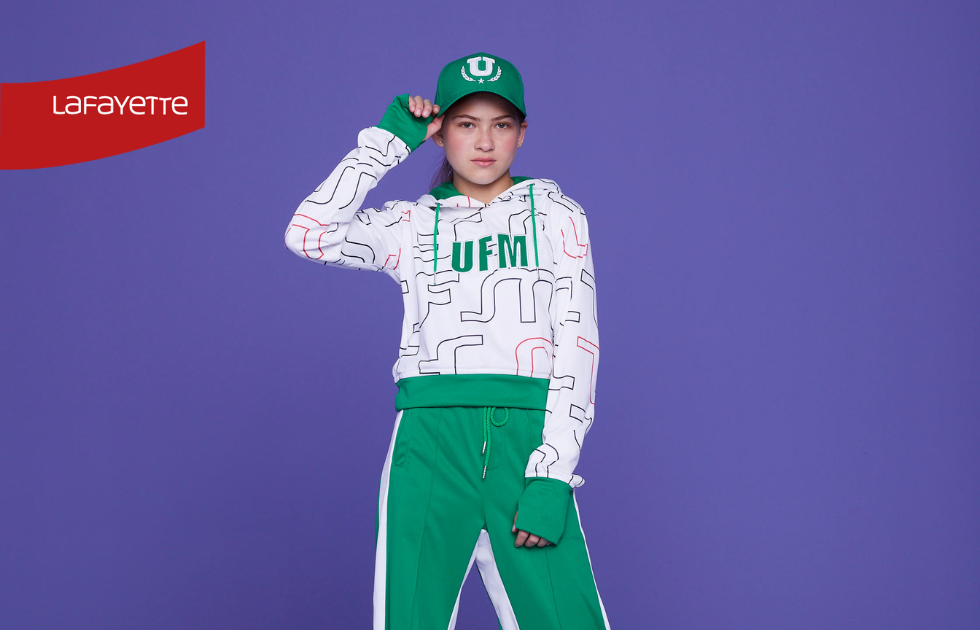
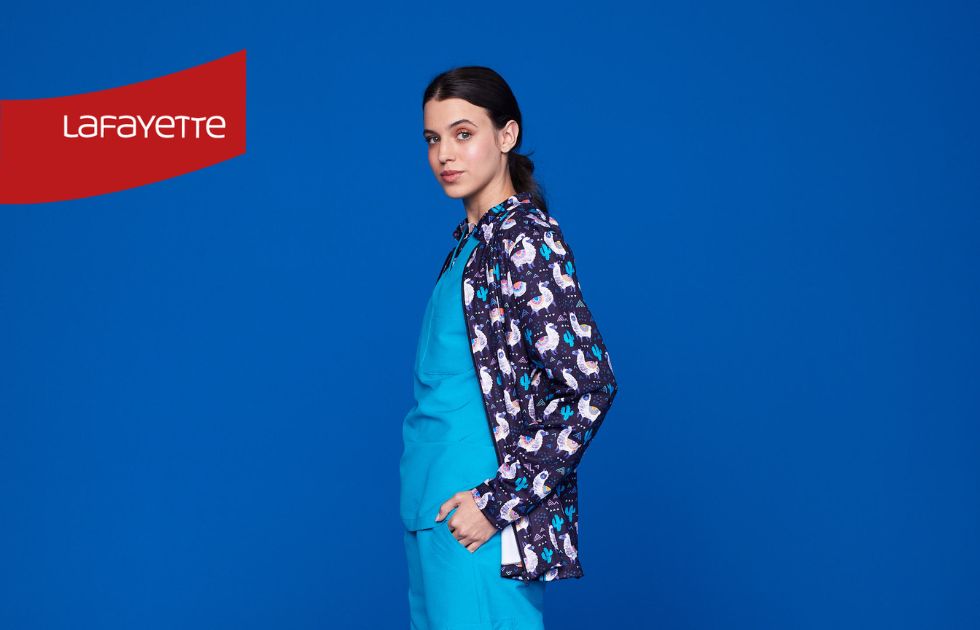
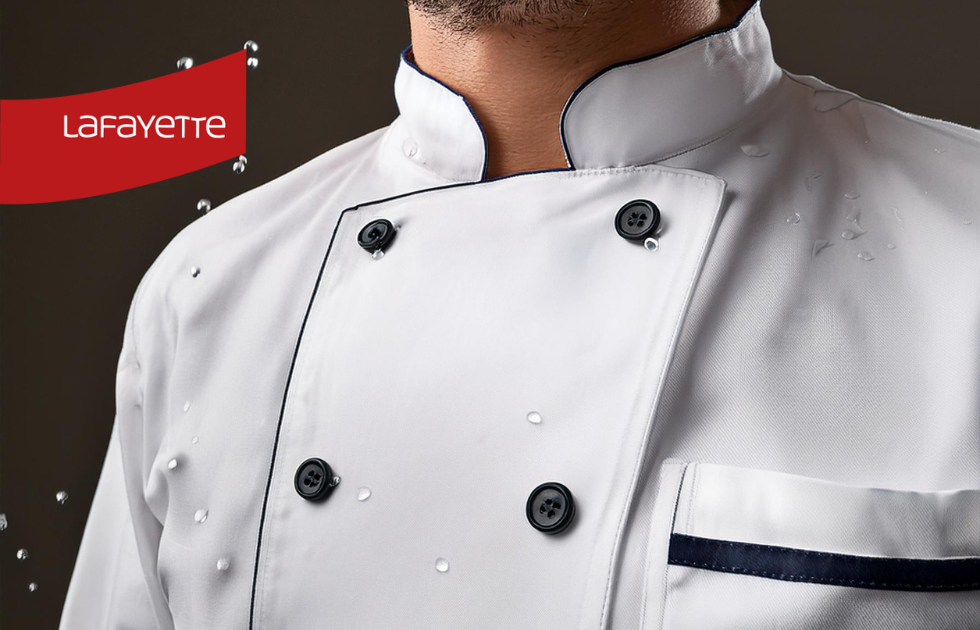
At Lafayette, we have multiple options for fabrics for you, including everything from prints to solids. They not only protect, they express a unique style. Base fabrics such as Baru, Bamoa, and Arenal emphasize the elegance of any uniform. And another important feature is their high performance, which helps employees give their best every day.
We hope that you have enjoyed this article and that it has helped you to learn a bit more about corporate uniforms over time, so that you can continue to provide your customers with the fabric solutions they need.
For further details about our portfolio for uniforms for hotels and restaurants, get in touch with your Lafayette sales advisor. You can also write us at Whatsapp (+57) 322-767-7848 or at servicioalcliente@lafayette.com
At Lafayette Uni For Me, we are committed to social and environmental sustainability in hotel uniforms, and therefore our purpose is to be:
Friendly experts that power your brand with superior textile solutions, technology, and services, stimulating social and environmental progress in the region.
TEXTILES LAFAYETTE: FOR OVER 80 YEARS, WE HAVE BEEN DEEPLY INSPIRED BY WHAT WE DO, AND THAT HAS BECOME OUR TRADEMARK TO THE WORLD.